Description
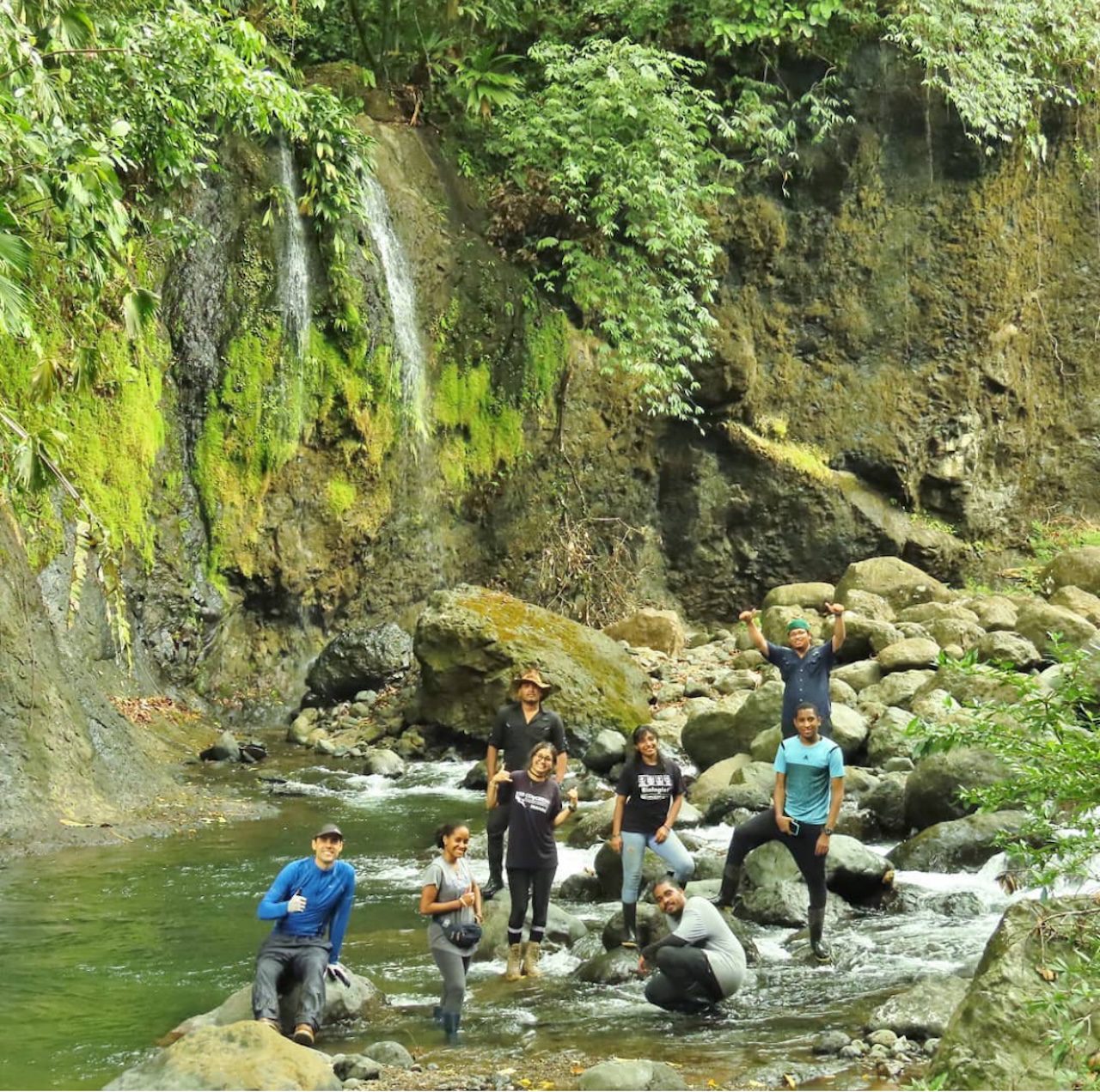
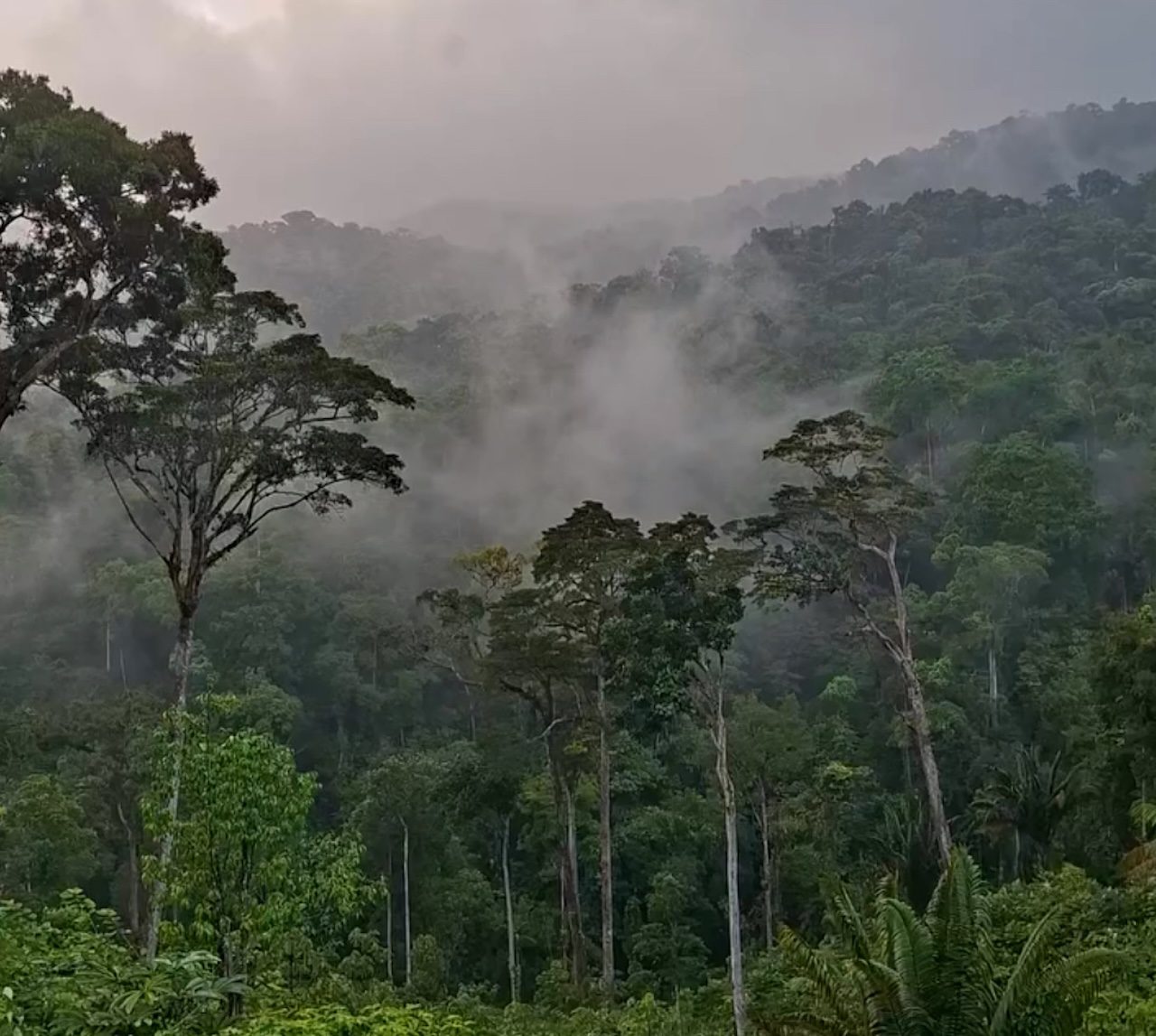
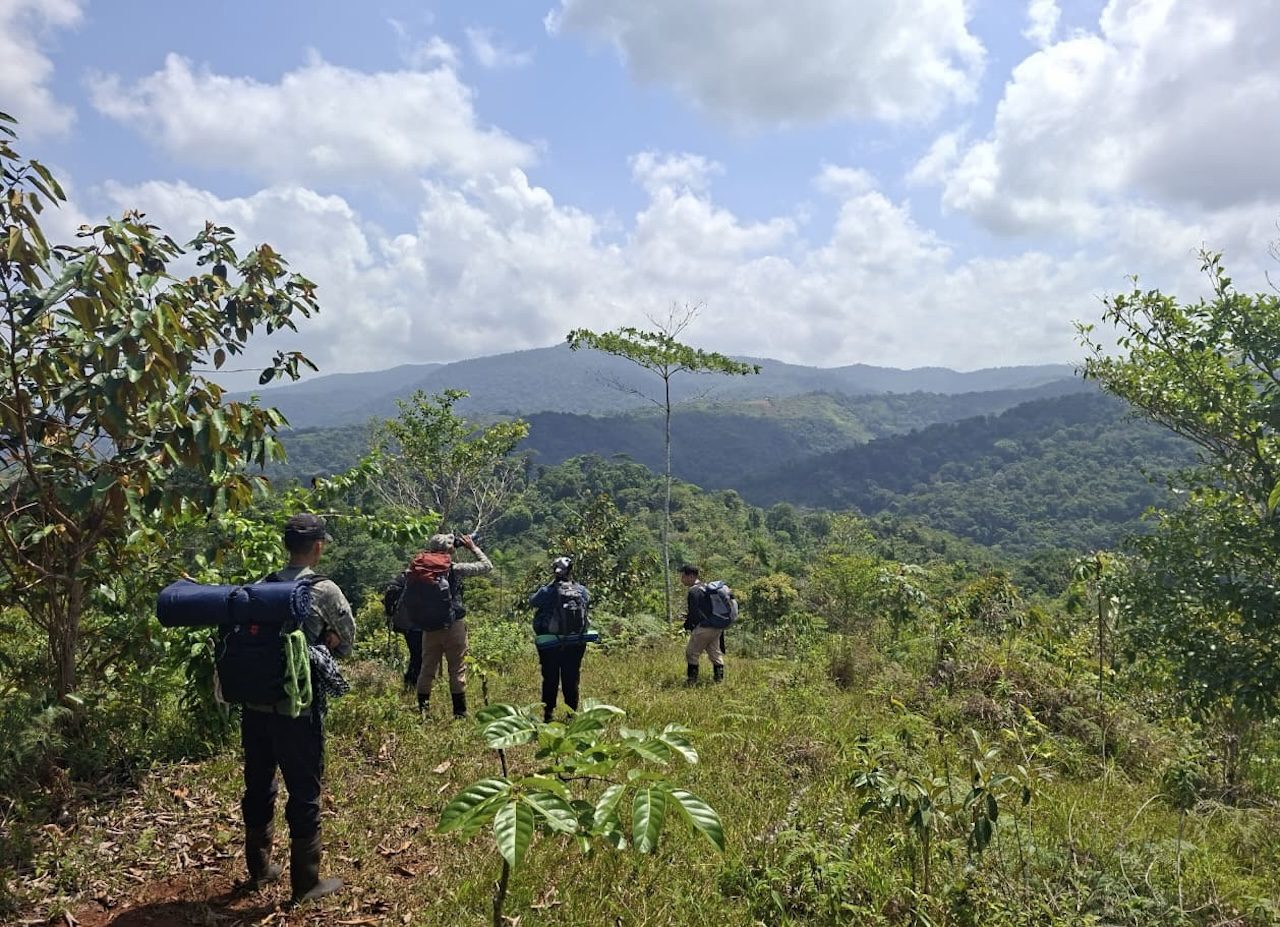
Camping or hiking in Portobelo National Park caters to individuals looking to explore the diverse offerings of this location. Situated in Colon, the national park spans 35,929 hectares. While many visitors focus on the marine area and the historic fortifications surrounding the bay of Portobelo—designated a UNESCO World Heritage site in 1980—15,465 hectares consist of primary forests, providing opportunities for jungle hikes.This region is among the least developed in Panama, featuring the Sierra Llorona Mountain Range, known for its frequent rainfalls, totaling 286 days annually. Cerro Bruja, the peak of the range, reaches an altitude of 979 meters and is part of the continental watershed, where various rivers such as Guanche, Piedras, Iguanita, Iguana, Cascajal, and Brazuelo originate.
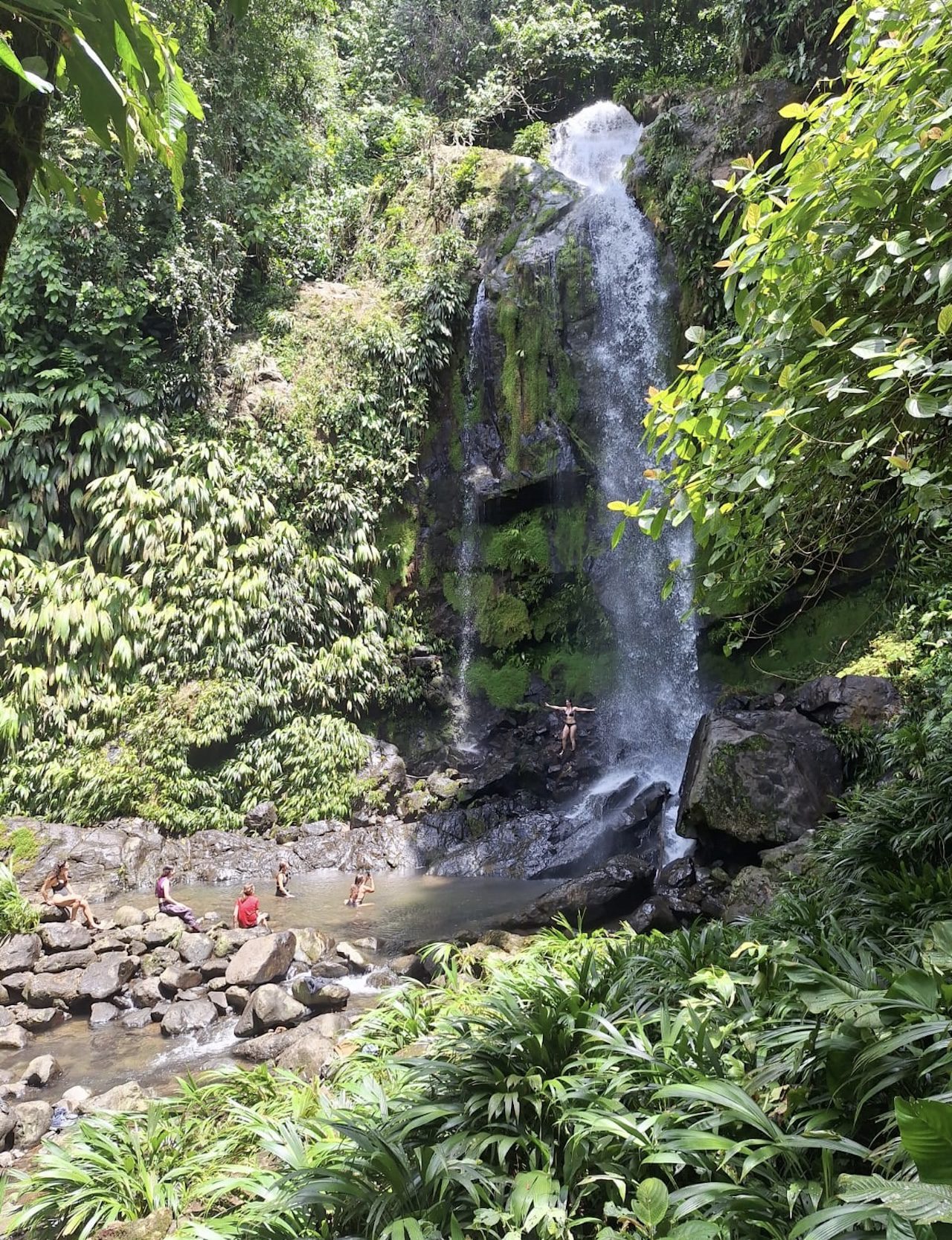
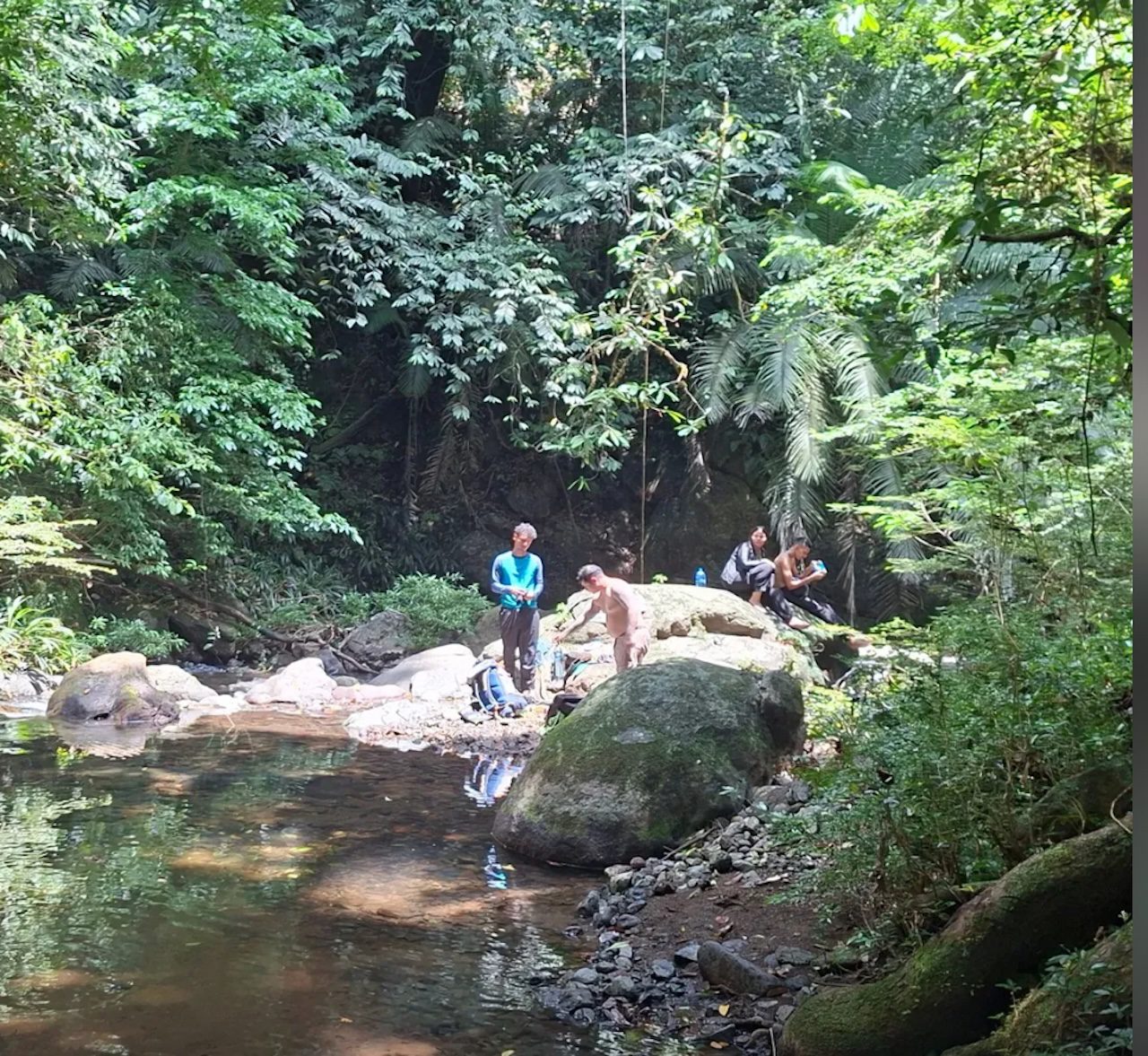
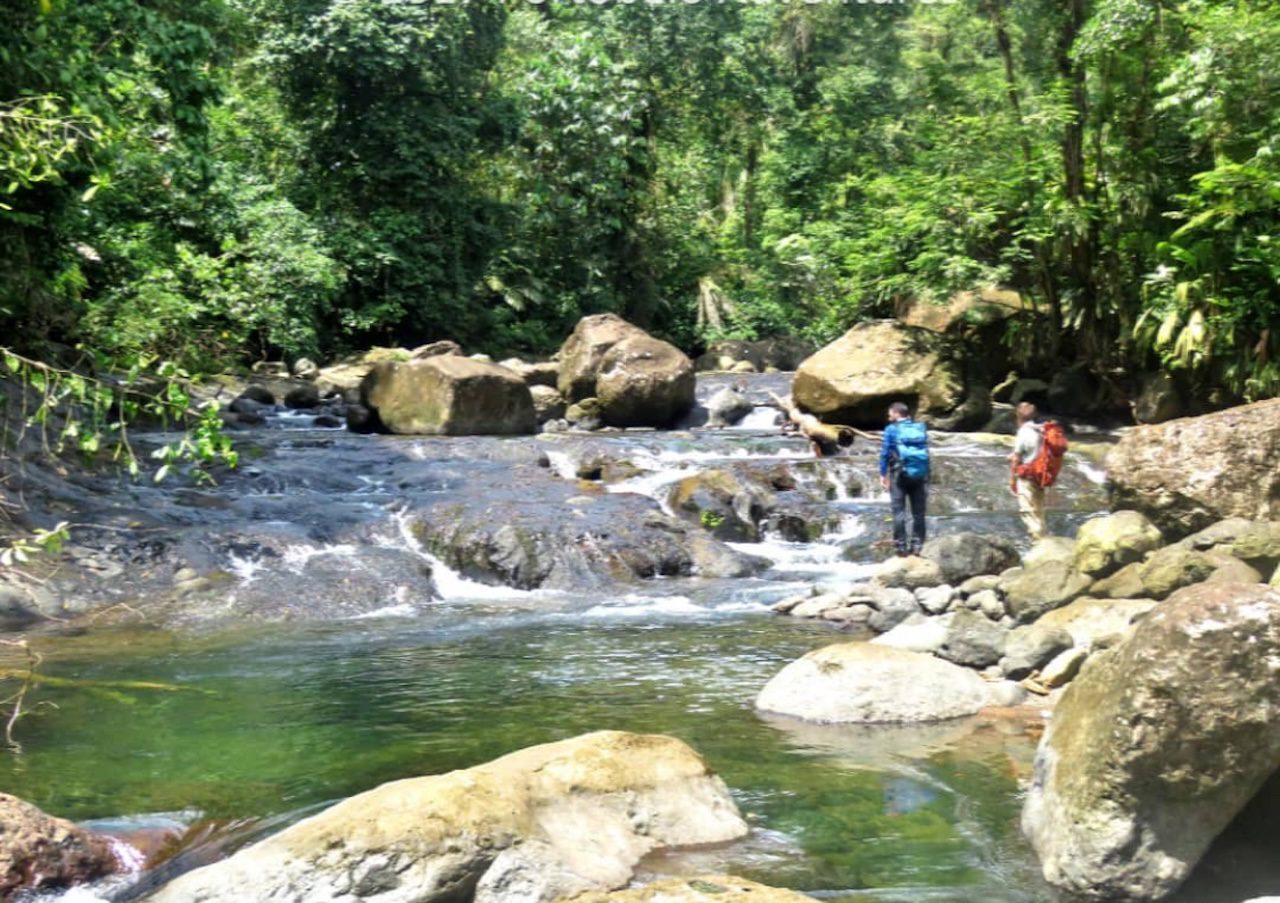
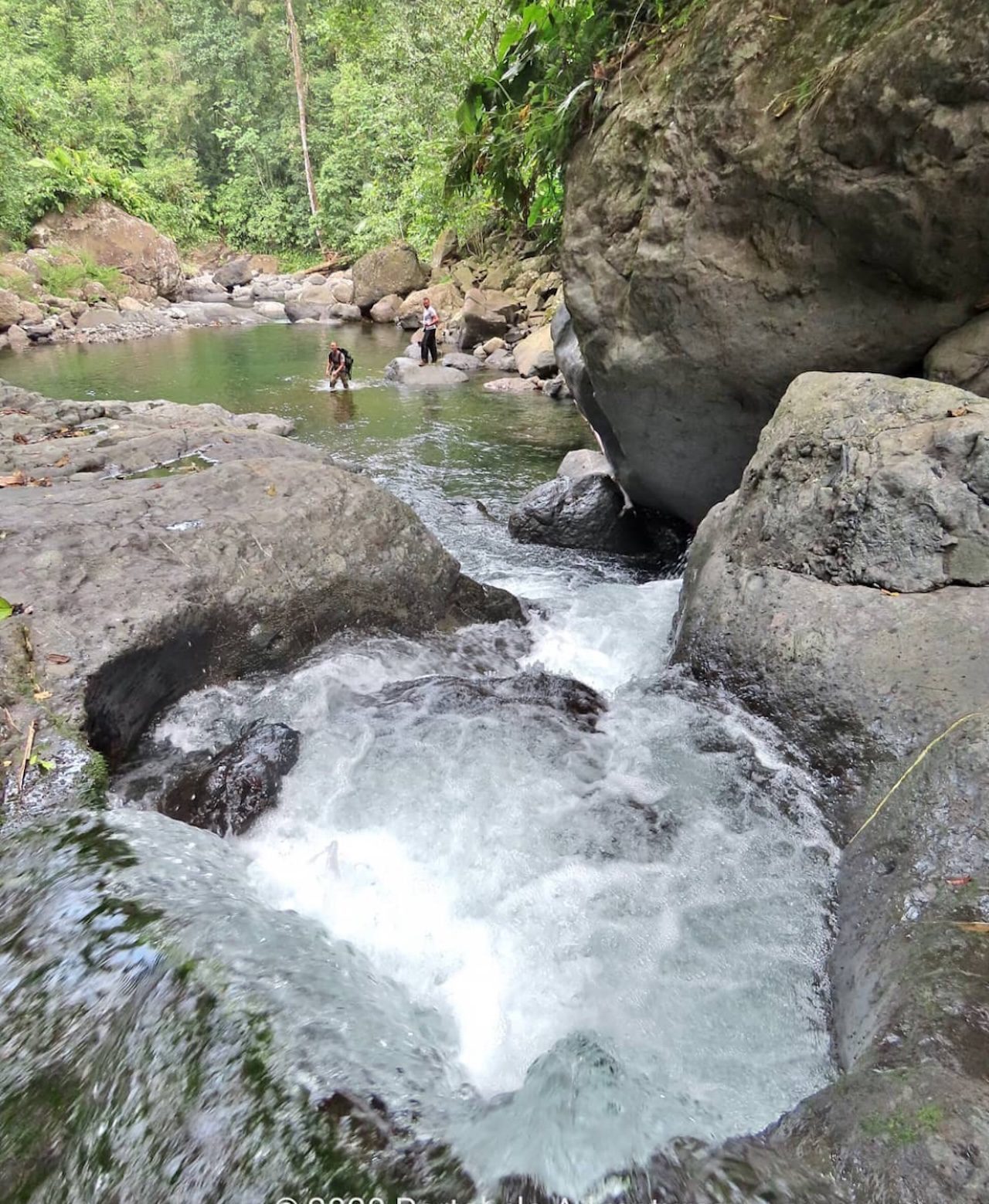
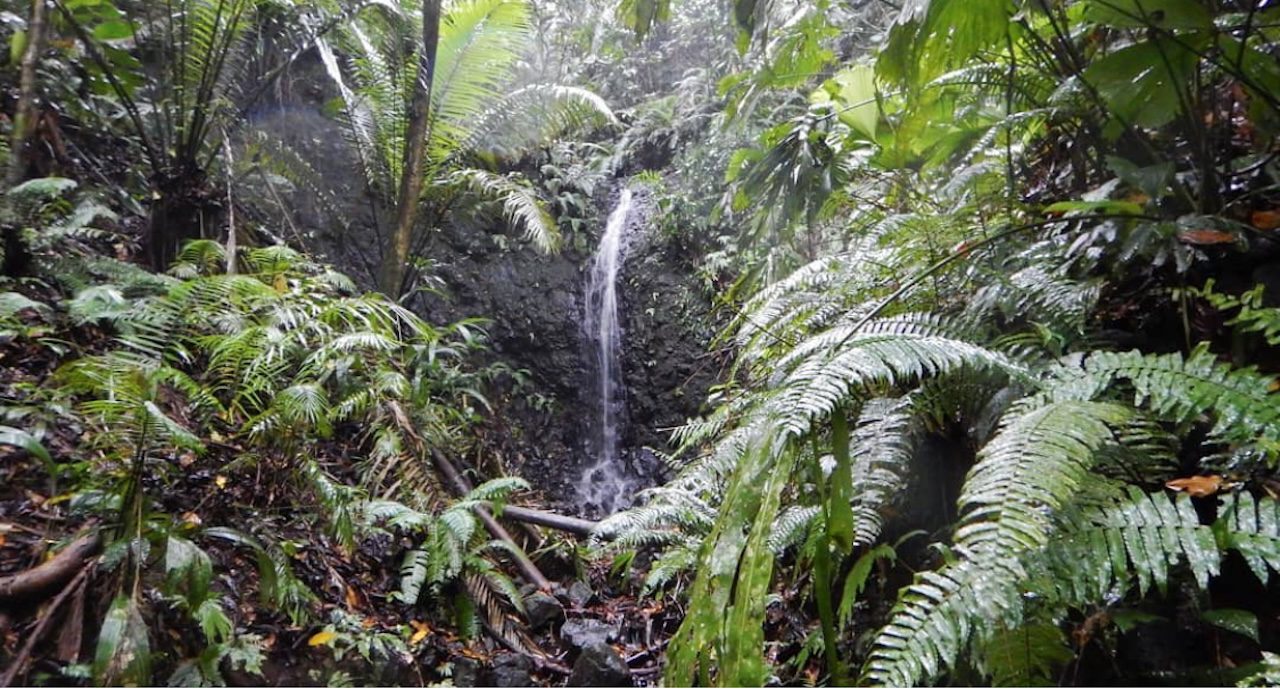
The Salto de Las Ranas waterfall is a 15-kilometer hike of moderate difficulty, except for the last stretch, which is more demanding.It takes four hours to reach the waterfall and four hours to return. This trek involves navigating through rivers and jungles in the park to reach an unspoiled waterfall.
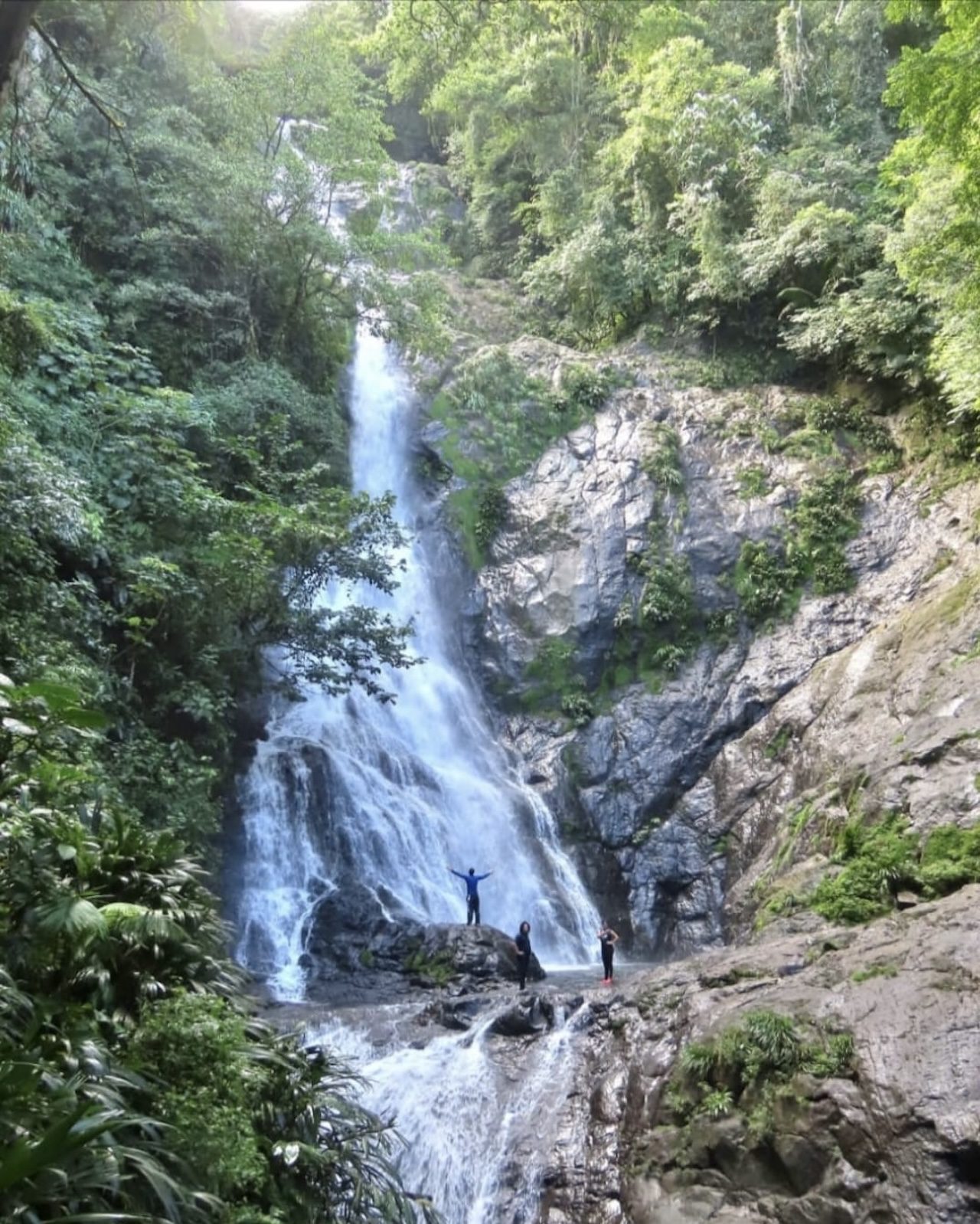
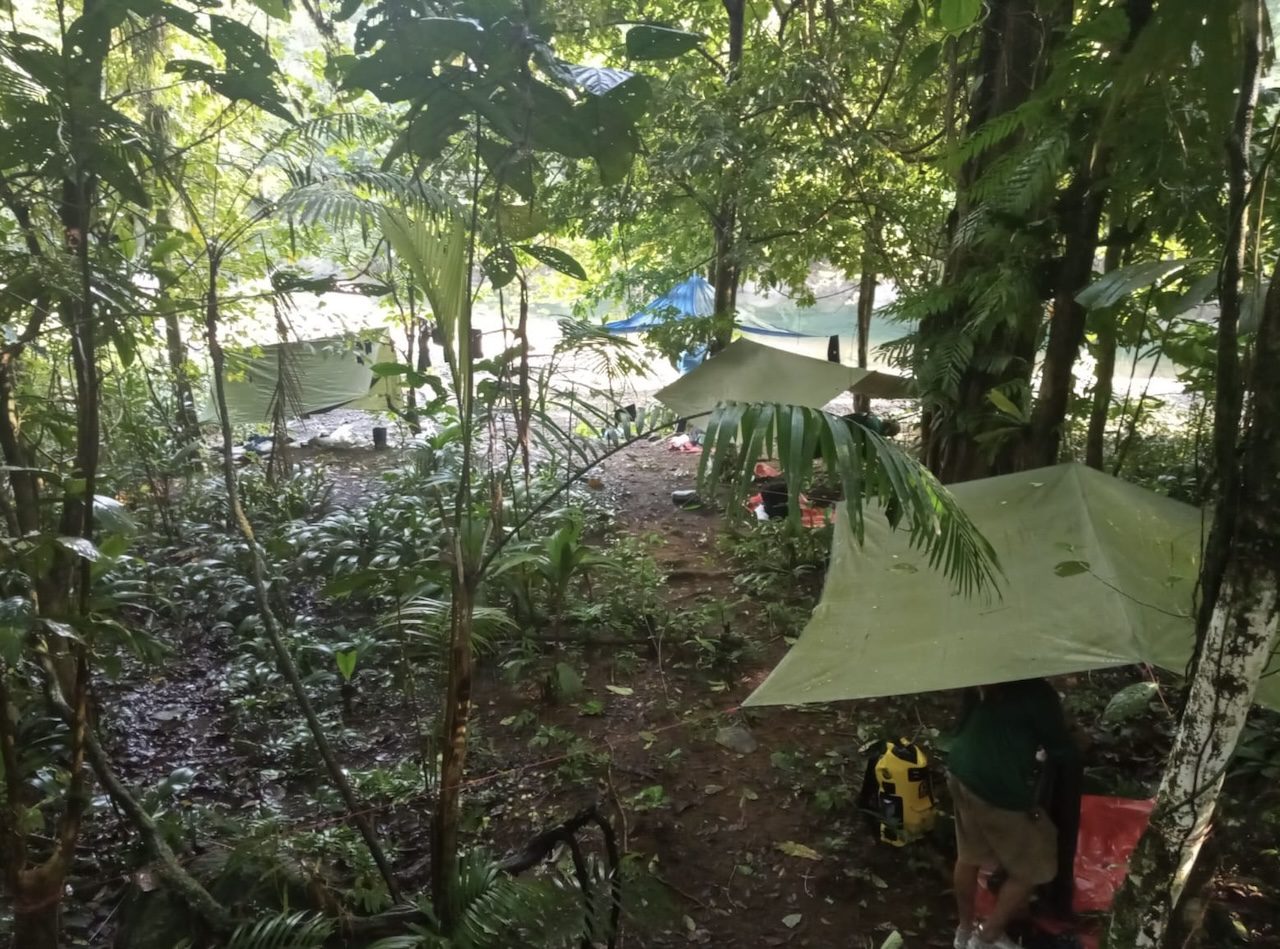
The Salto del Mono waterfall requires one night camping in the national park. The hike is a challenging 20-kilometer roundtrip, beginning in the town of Iguanita, just before Portobelo. This route runs alongside the Guanche River, necessitating multiple crossings that will likely get hikers wet. The trail can be muddy, and without a guide, it’s easy to lose one’s way in the dense vegetation. The designated camping area is located 1 kilometer prior to the Salto del Mono waterfall, which stands at 74 meters high, making it the tallest waterfall in Panama’s Colon province.
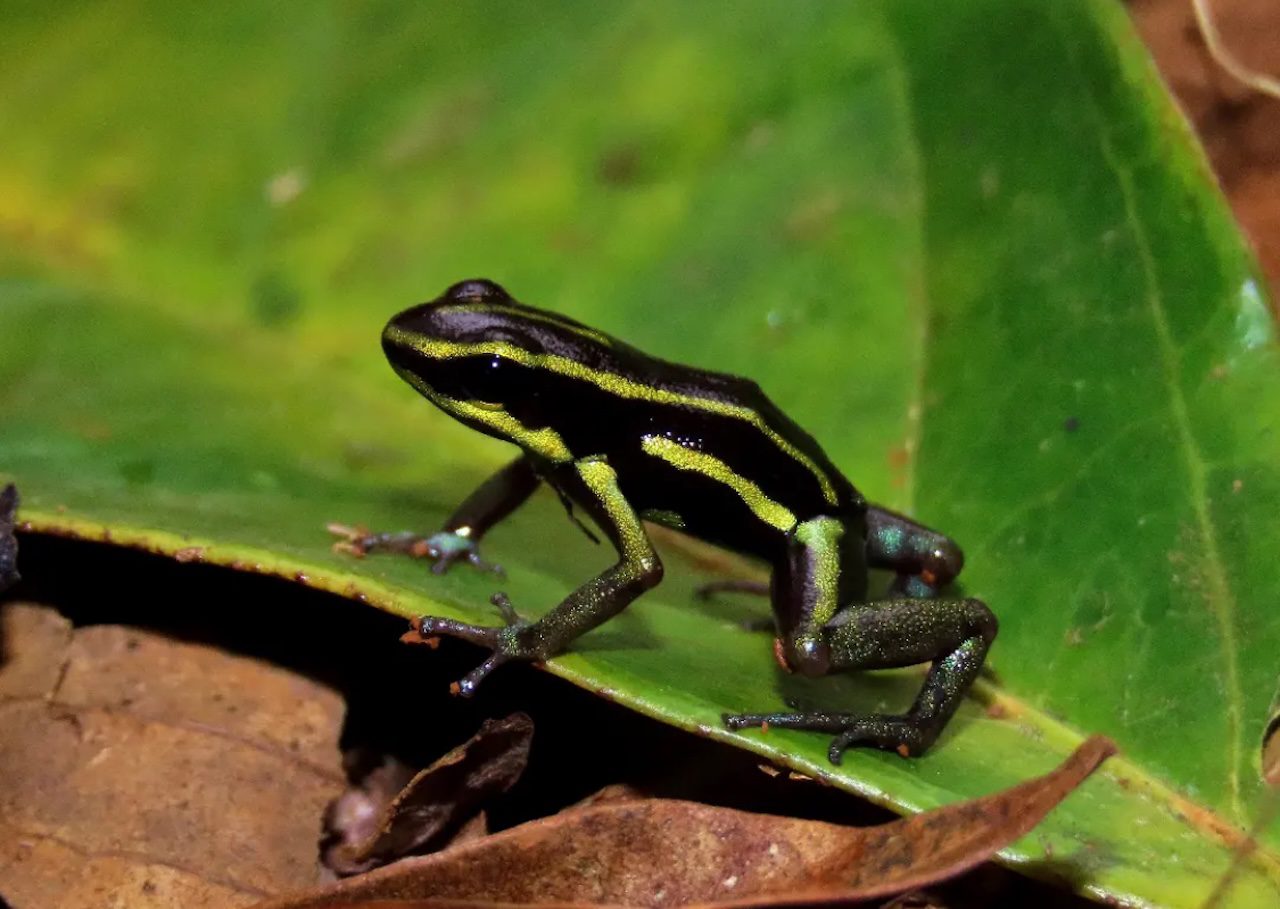
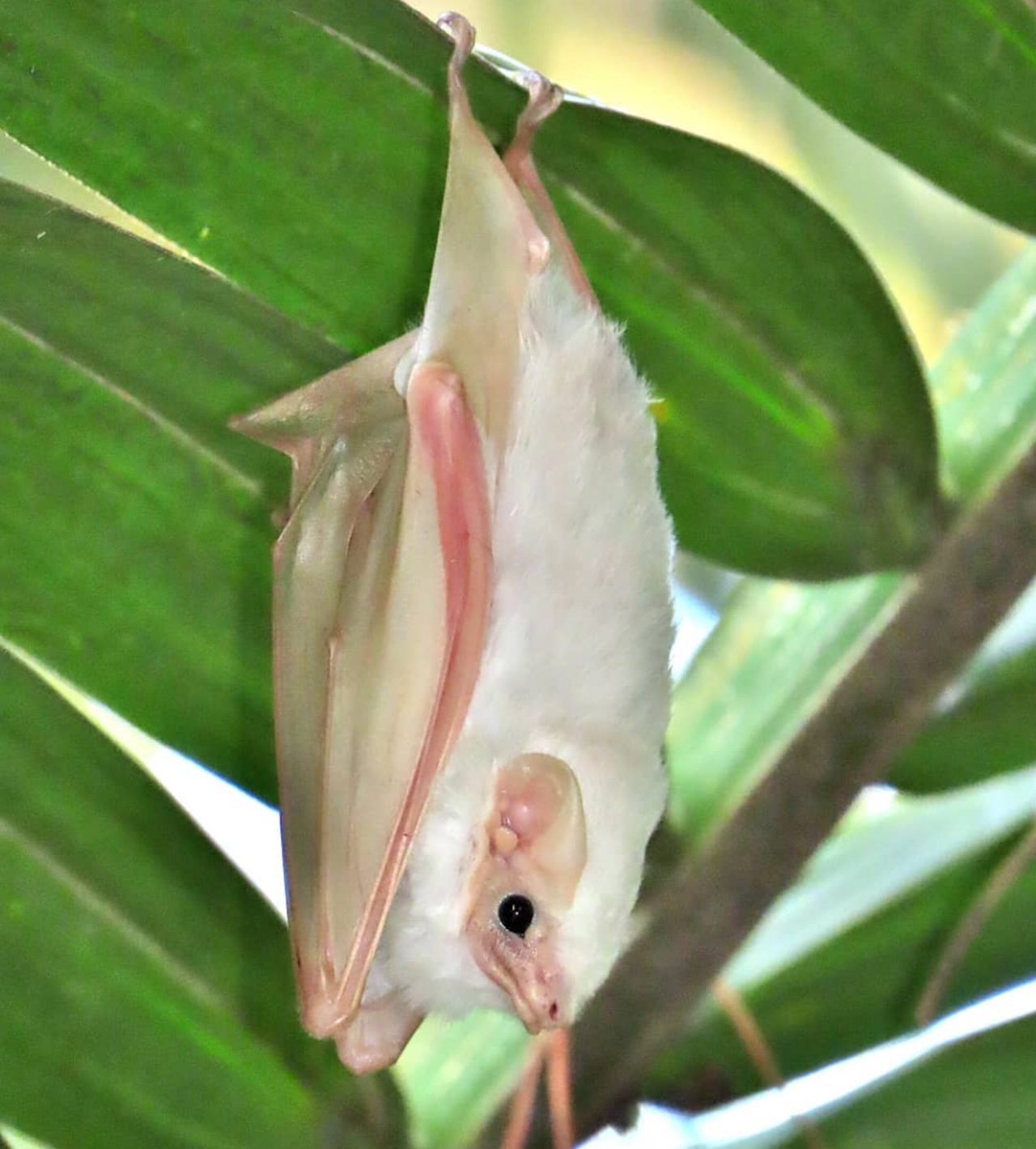
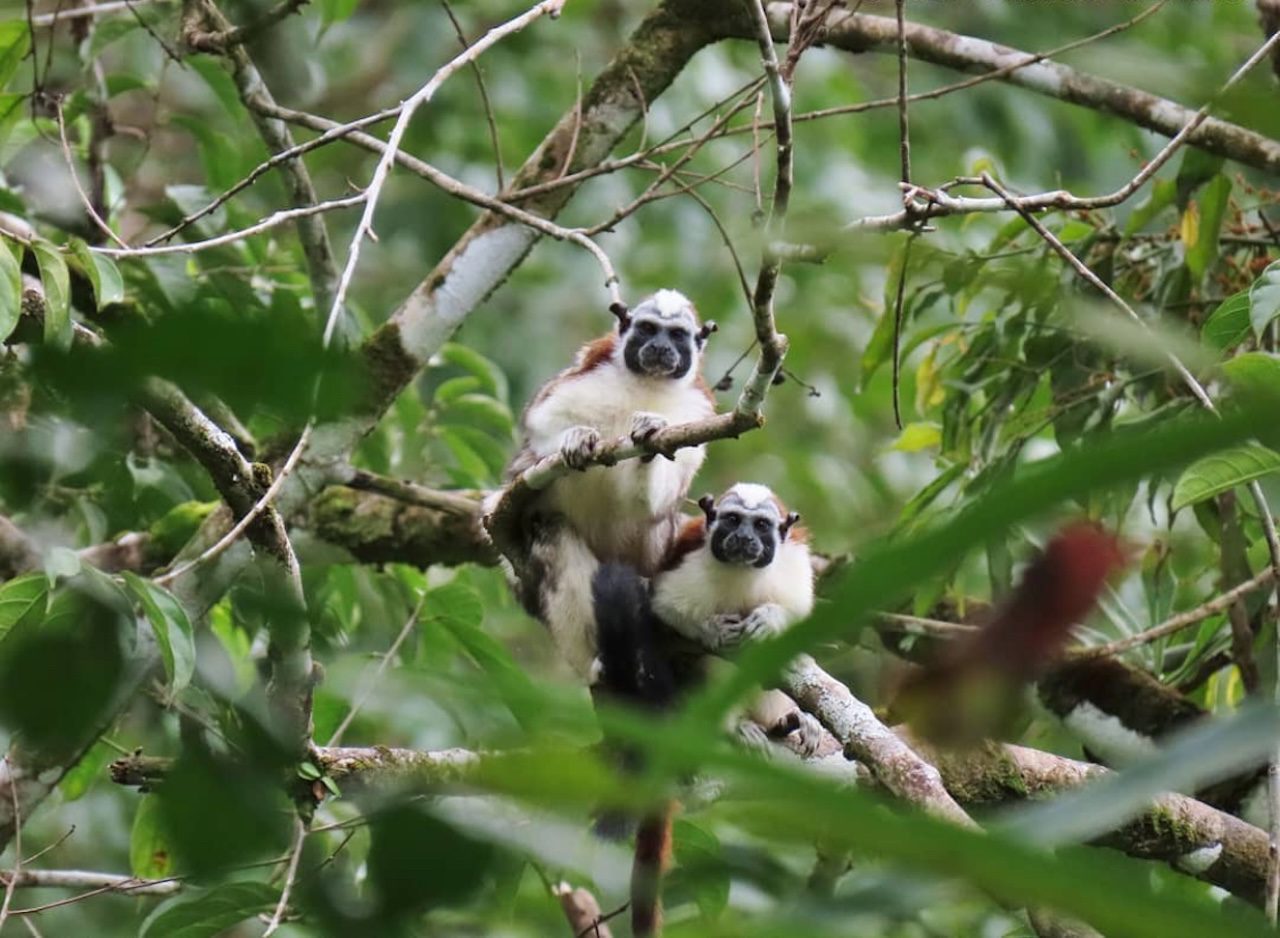
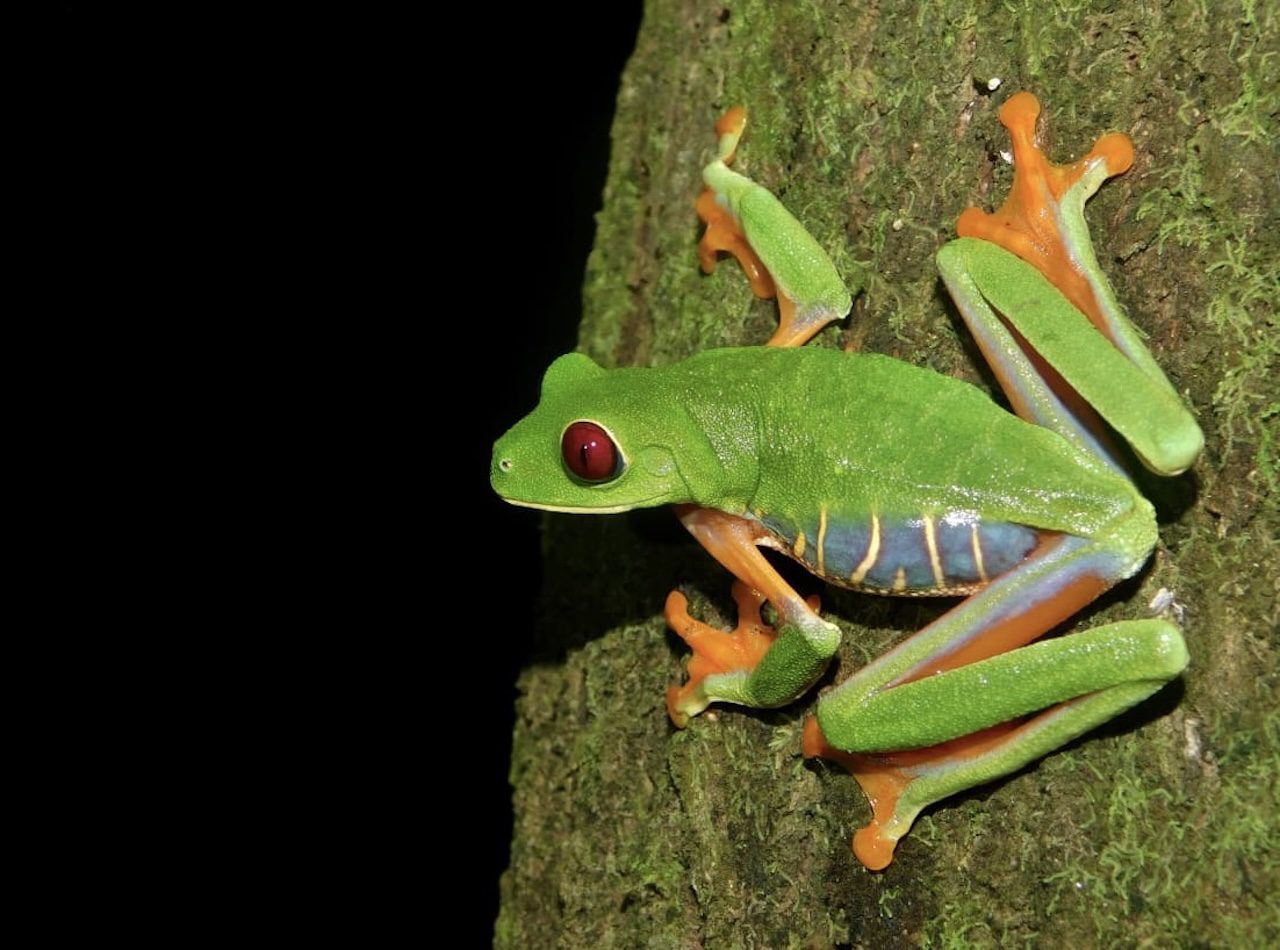
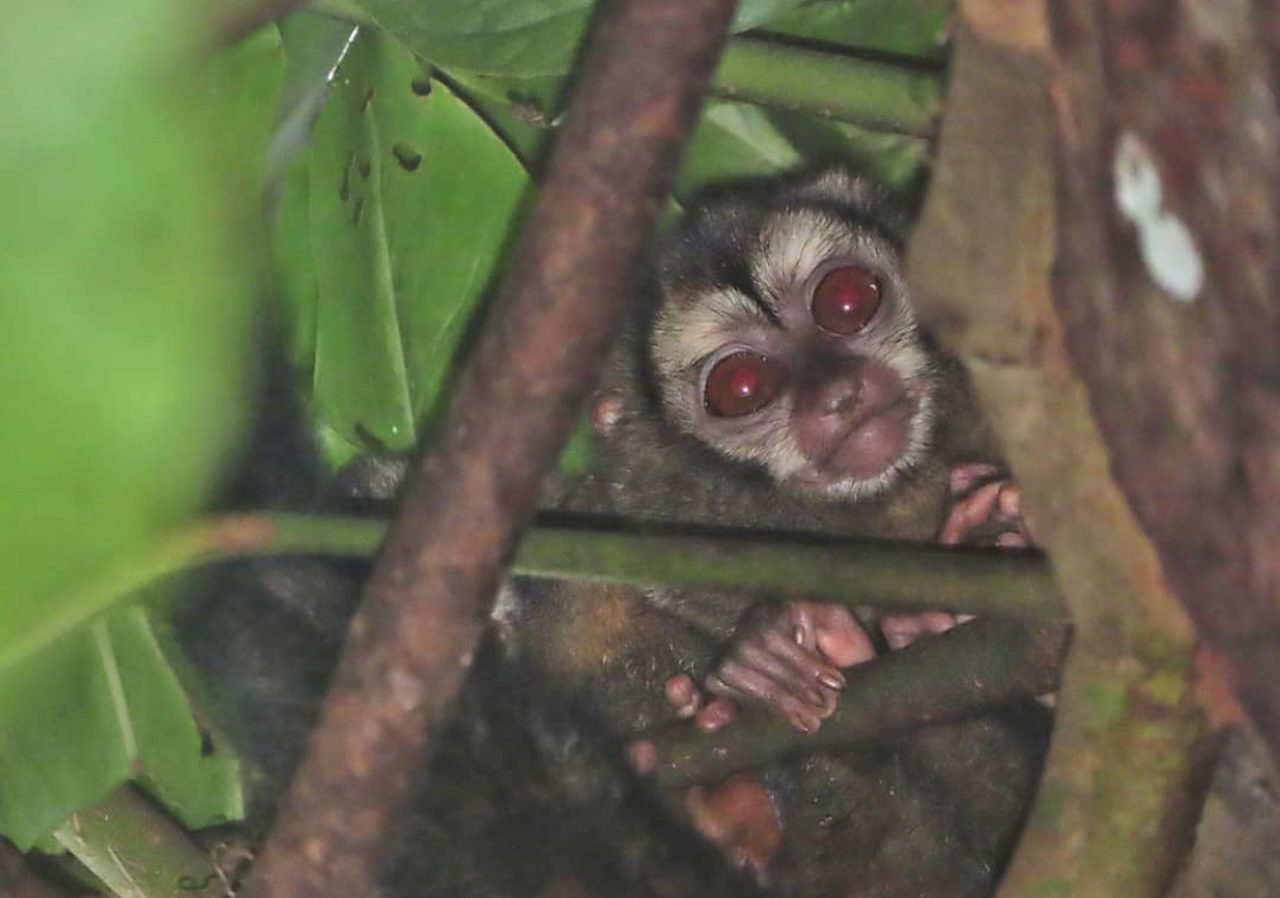
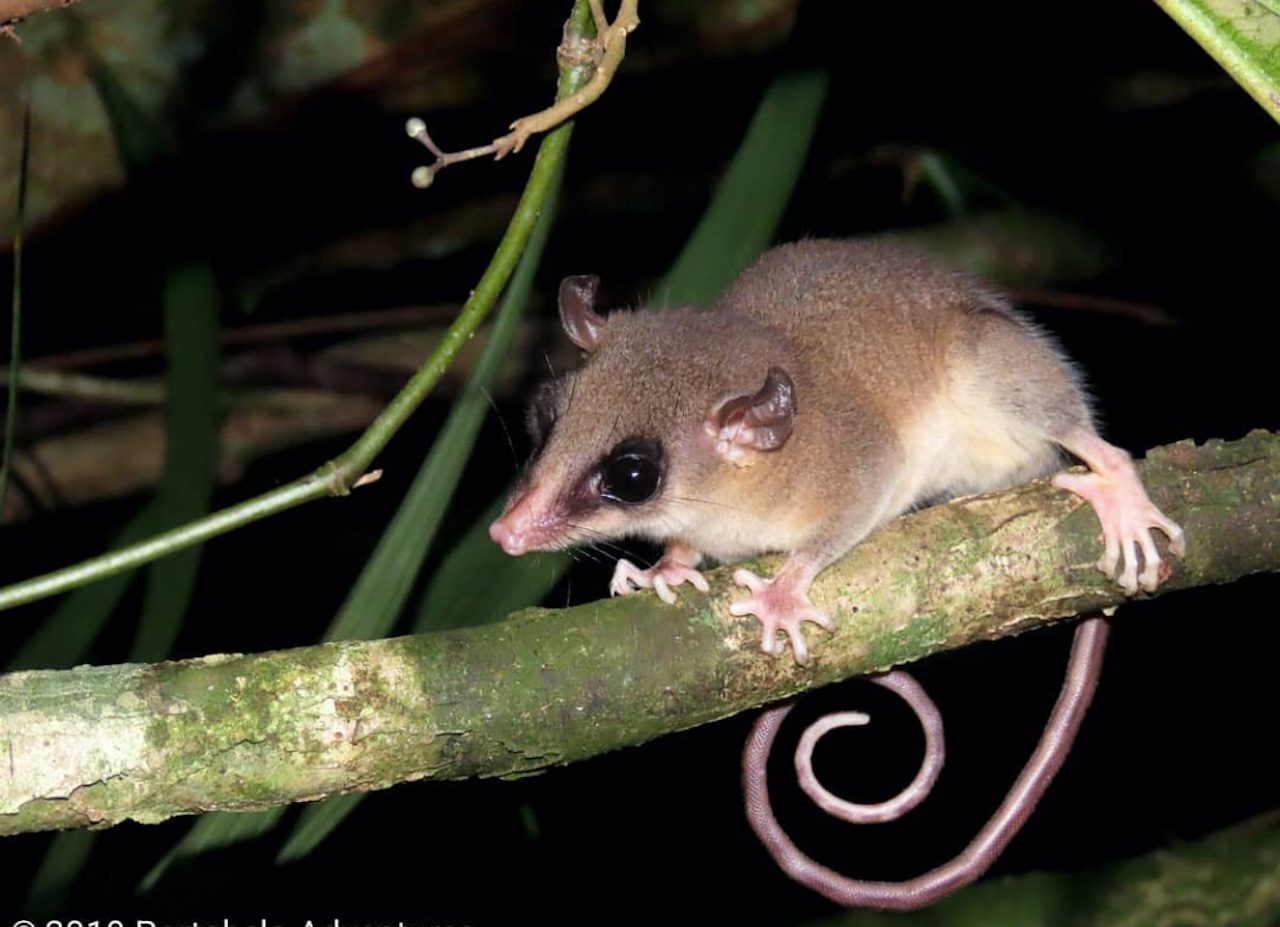
Sierra Llorona, designated as a national reserve in March 2026, encompasses 16,436 hectares of primary forests and distinct ecosystems. This area serves as a biological corridor connecting Chagres National Park, where visitors can undertake the Embera Indigenous Village Tour, and Portobelo National Park. Research in the reserve has identified over 550 sightings of mammals across 22 species, which include notable fauna such as the Baird’s tapir, jaguar, puma, ocelot, and peccary, as well as common species like agouti, gray squirrel, and painted rabbit, all essential for ecological functions like seed dispersal and forest regeneration. Exploring Sierra Llorona typically involves a camping duration of at least two nights, extending up to five nights.
Includes:
- Guide
- Specialized hammocks
- Rain shelters
- Tents and sleeping bags
- Rubber boots
- Flashlights and extra batteries
- First aid kits
- Water filters
- Cooking tools
- Gas stove
- Rain ponchos
- Waterproof bags
Available: year round.
Time: full day or multiple days.
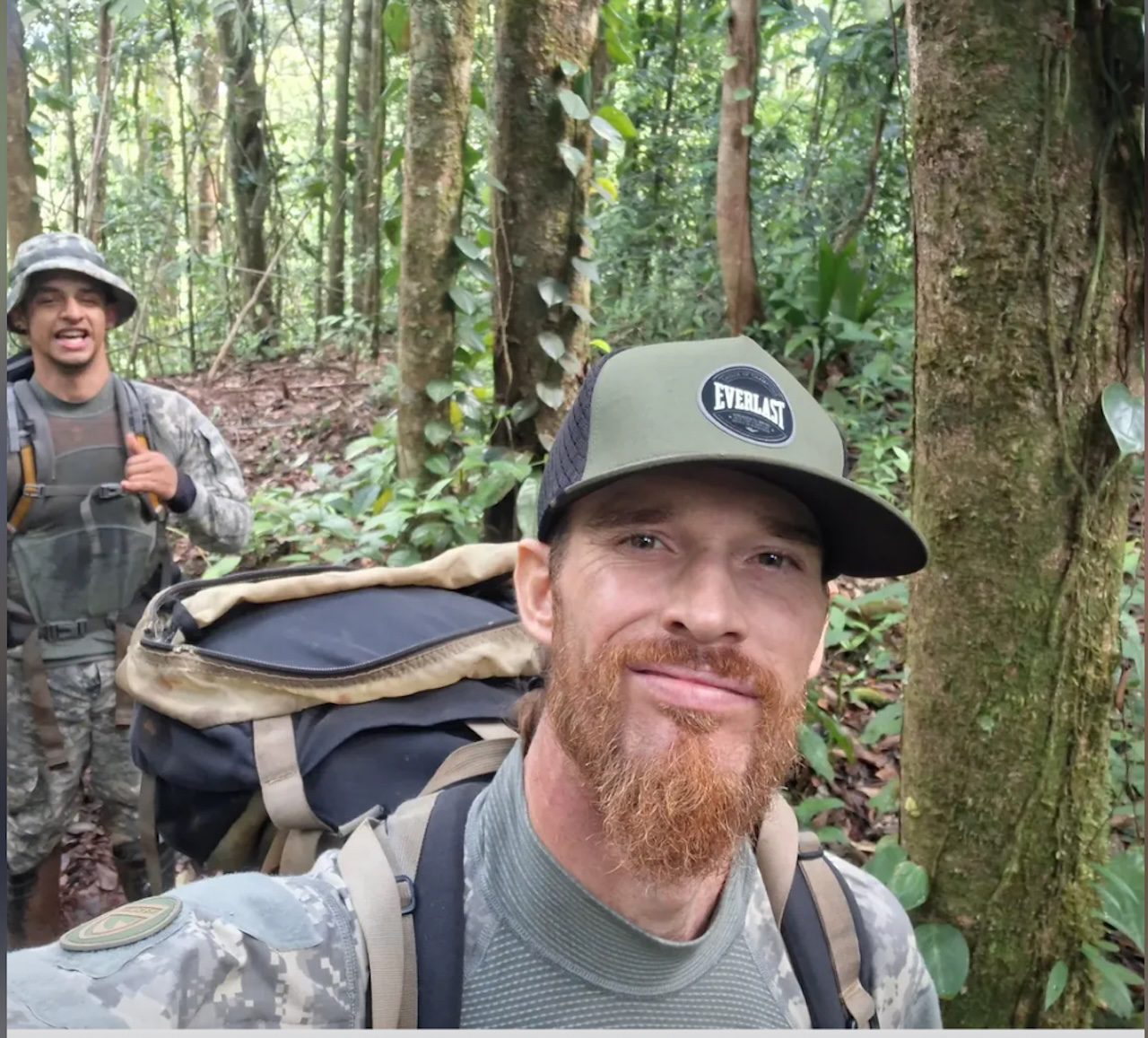
What to bring? Long pants and long-sleeved shirt, change of dry clothes for sleeping, waterproof jacket, mosquito repellent, sunscreen, food, 2 liters of water, towel, and extra flashlight.
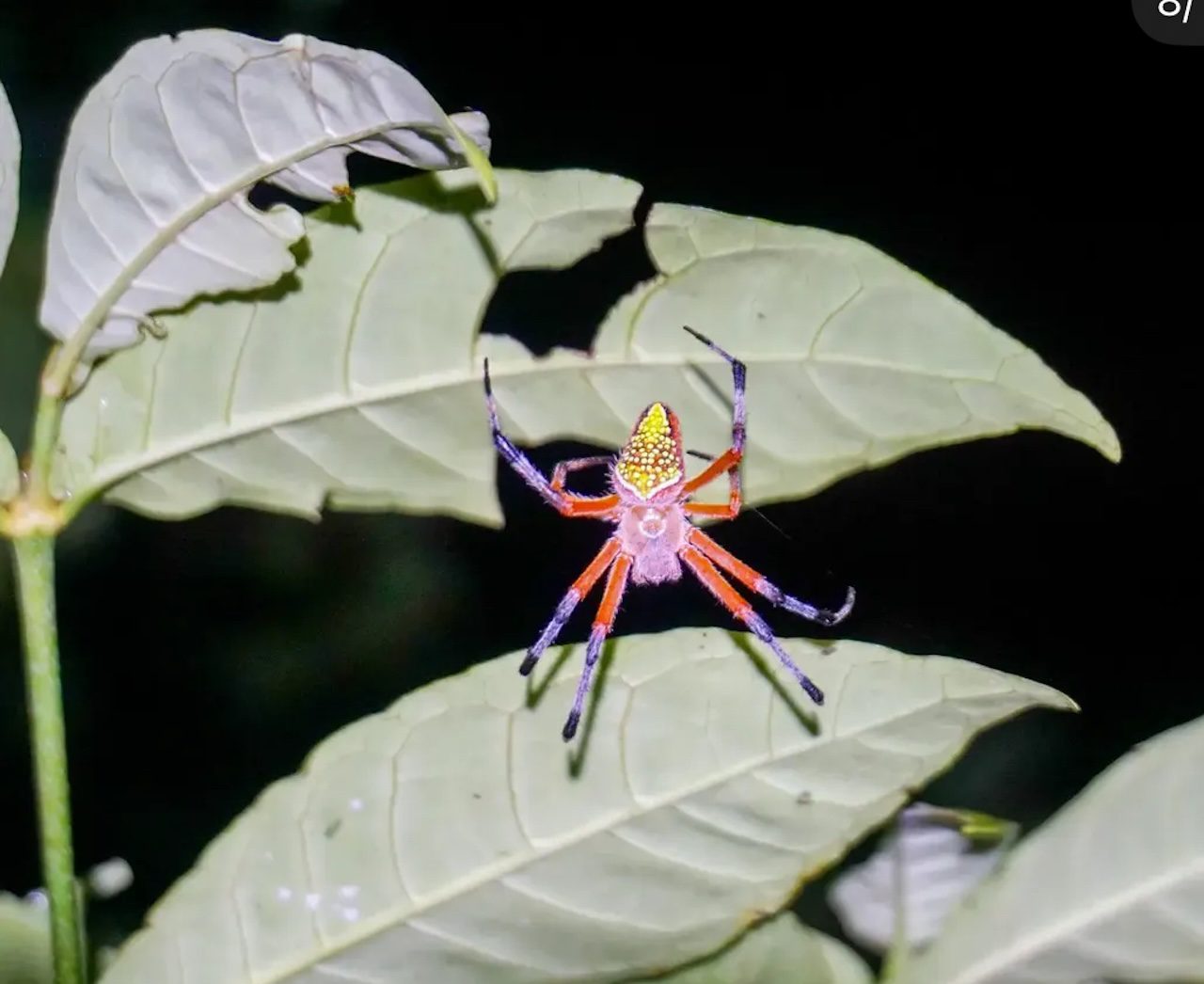
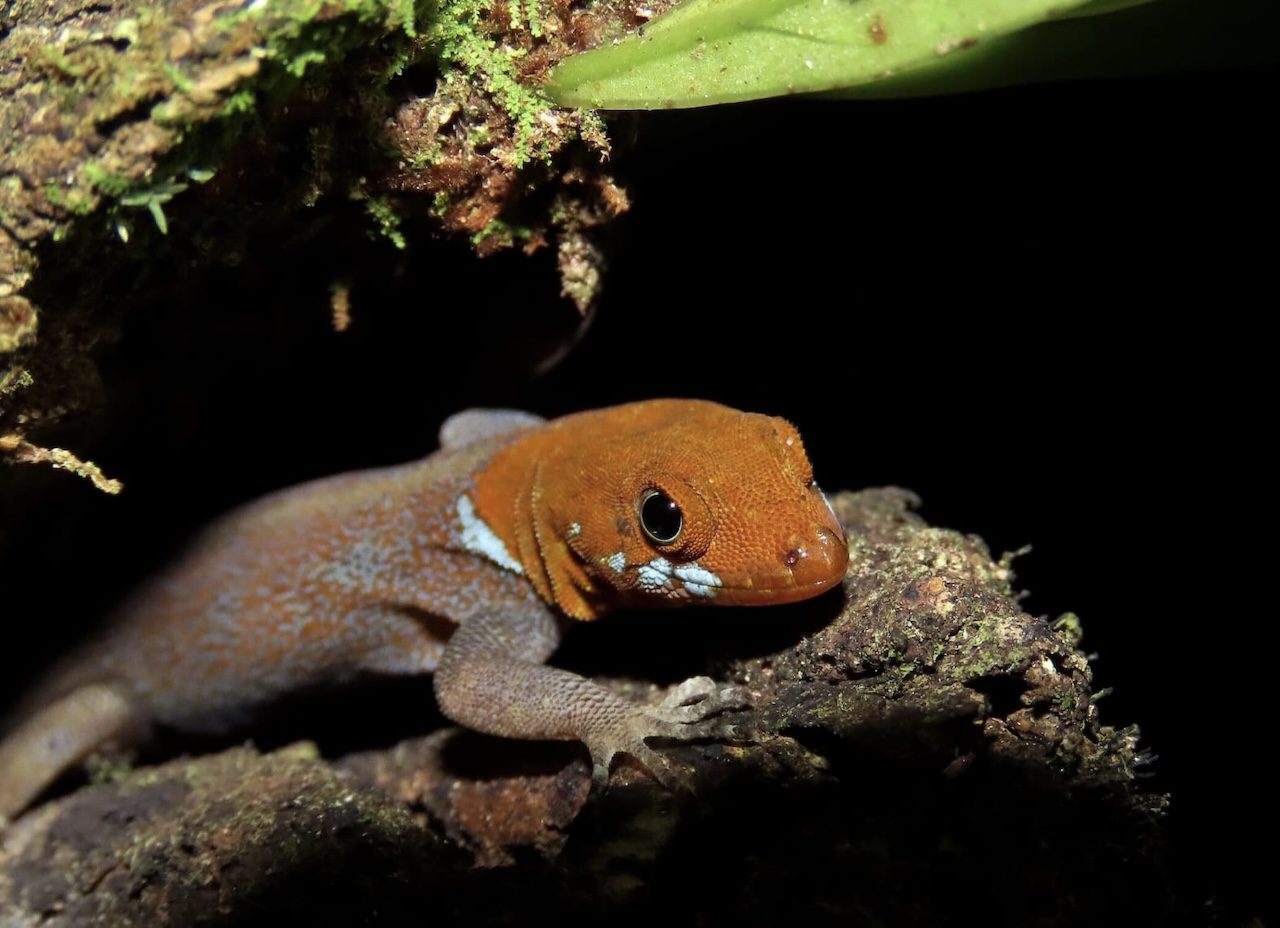
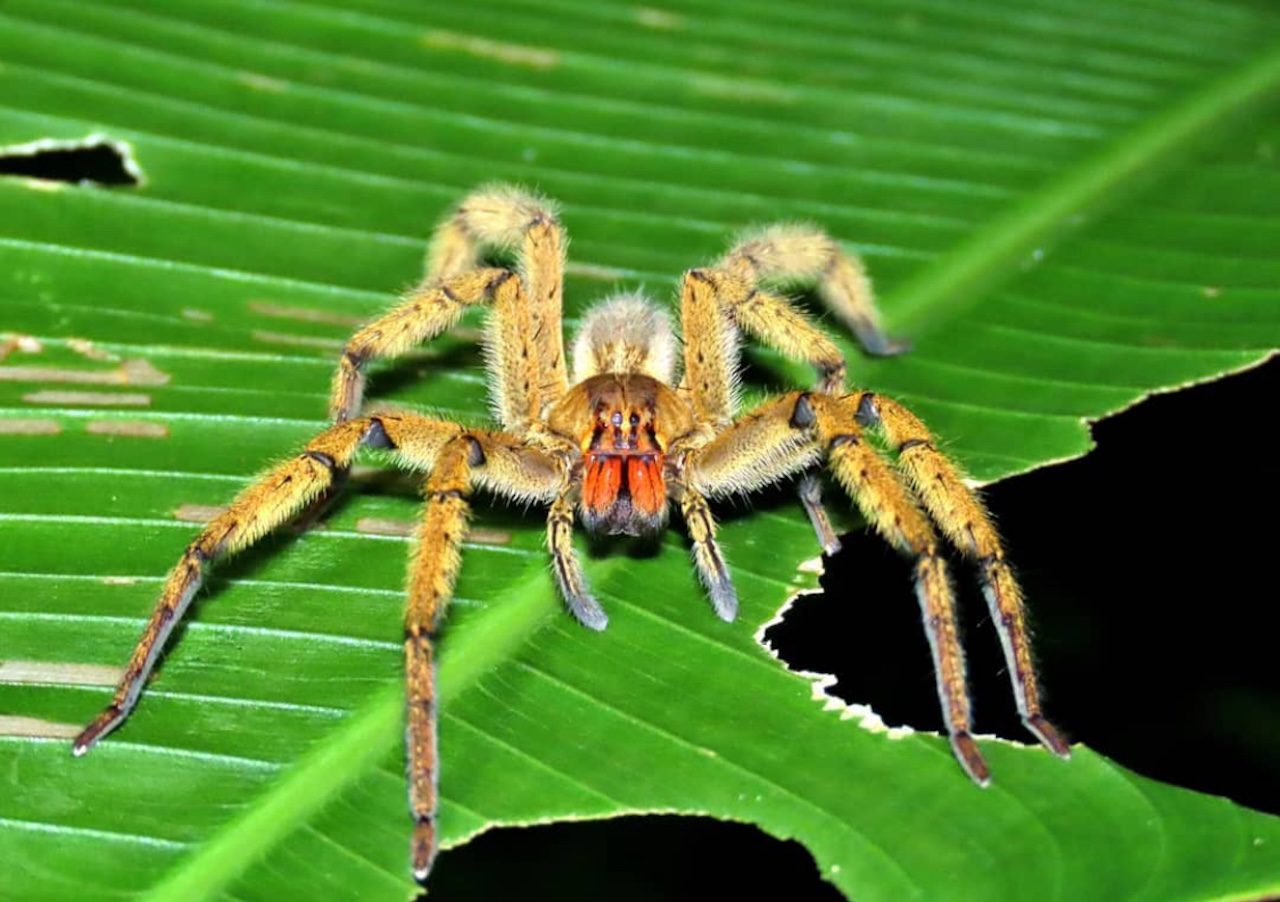
Important information: Camping or Hiking in Portobelo National Park requires a minimum of two participants. Groups can be up to ten people. This exploration is not suitable for young children, we recommend 12+ . We can organize day trips or multiple day trips depending on what you want to explore. Please note that you will be traveling to a very remote region where air evacuation is not possible due to the dense jungle, and where various animals, including some venomous ones, live. This is an adventure trip, and some of the hikes require excellent physical fitness.